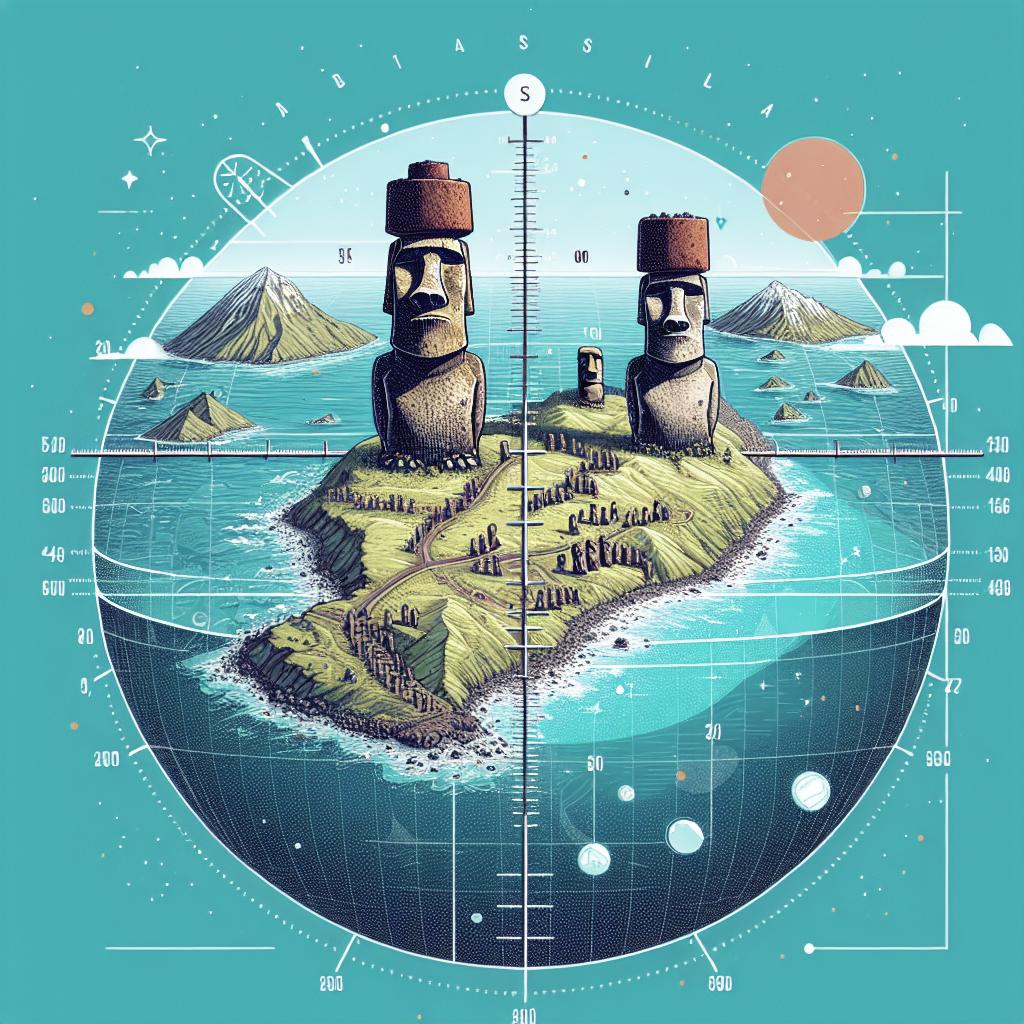
Easter Island, a remote and enigmatic island in the southeastern Pacific Ocean, is globally renowned for its iconic moai statues and mysterious past. Situated in a unique and isolated geographic location, its landscape, geological features, climate, and flora and fauna contribute to its distinct charm and historical intrigue. This blog post explores the geographical placement of Easter Island, its terrain and relief, the climatic conditions that shape life there, and the unique plant and animal species that inhabit the island. These factors not only define Easter Island’s natural beauty but also influence the cultural and historical legacy that continues to captivate researchers and travelers alike.
Land
Located in the southeastern Pacific Ocean, Easter Island, also known as Rapa Nui, lies approximately 3,700 kilometers (2,300 miles) west of the Chilean coast. It is one of the world’s most isolated inhabited islands, with its nearest neighbor, Pitcairn Island, situated more than 2,075 kilometers (1,289 miles) away. This geographic isolation has played a significant role in shaping the culture and history of its people, leading to a unique civilization that thrived independently for centuries.
Easter Island spans an area of about 163.6 square kilometers (63 square miles) and has a triangular shape. The island measures about 24.6 kilometers (15.3 miles) at its widest point and is known for its rolling hills and broad, rocky coastlines. Despite its small size, the island’s unique characteristics have made it a focal point of archaeological and anthropological research, providing insights into ancient Polynesian migration and settlement patterns.
Relief
The relief of Easter Island is characterized by its volcanic origin. The island was formed by a series of volcanic eruptions over millions of years, resulting in a rugged and undulating landscape. There are three main volcanoes on the island: Terevaka, which is the largest and highest, rising to 507 meters (1,663 feet) above sea level; Poike, which forms the easternmost tip; and Rano Kau, which cradles the island’s largest crater, now a freshwater lake.
The volcanic craters are significant both geologically and culturally. Rano Raraku, in particular, is considered the quarry where most of the island’s famous moai statues were carved. The slopes of these ancient volcanoes provided the ideal material for sculpting the giant stone figures, marking them as central points in the island’s historical and cultural heritage. The coastline, with its cliffs and occasional sandy beaches, adds to the dramatic scenery of this remote island.
Climate
Easter Island experiences a subtropical maritime climate, characterized by mild temperatures and relatively stable weather patterns year-round. The island’s weather is influenced by the southeastern trade winds that prevail in the Pacific Ocean. Average temperatures range from 18°C (64°F) in the winter months of June to August to 25°C (77°F) during the summer, from December to February. The comfortable temperatures make it a pleasant destination throughout the year.
The island receives an average annual rainfall of about 1,100 millimeters (43 inches), with the wettest months occurring between April and June. Despite frequent rainfall, the island’s porous volcanic soil allows for quick drainage, preventing prolonged periods of wet conditions. Easter Island’s climate has a soothing consistency, enhancing its appeal to visitors who seek a temperate locale with minimal extreme weather events.
Plant and Animal Life
The flora and fauna of Easter Island are distinctive, shaped by its remote location and unique environmental conditions. Historically, the island was covered with extensive forests, primarily composed of a now-extinct species of palm trees. However, large-scale deforestation, likely due to human activity, has significantly altered the landscape over time. Today, the island features an assortment of grasslands, shrubs, and introduced plant species, with reforestation efforts ongoing to restore some of its natural vegetation.
The island’s isolation has resulted in a limited number of native fauna species. Birdwatchers can delight in spotting seabird species such as the sooty tern and the masked booby. The island is also home to several invertebrates and reptiles; however, the introduction of non-native animals, such as rats and horses, has impacted the native ecosystem. Marine life around the island is abundant, with coral reefs supporting a vibrant underwater community, including various fish and sea turtles.
Future Prospects
Easter Island continues to captivate people from around the globe, thanks to its unique geographic placement, fascinating natural scenery, and cultural heritage marked by the iconic moai statues. Understanding the nuances of its land, relief, climate, and plant and animal life is essential for appreciating the island’s complex history and continuing conservation efforts. As studies and restoration projects progress, Easter Island’s future prospects rest on balancing preservation with sustainable tourism to ensure that this remote gem remains protected for future generations.
| Aspect | Details |
|---|---|
| Land | A remote island in the southeastern Pacific Ocean, 3,700 km west of Chile, covering 163.6 square kilometers. |
| Relief | Volcanic origin with three major volcanoes: Terevaka (tallest), Poike, and Rano Kau. Rano Raraku as the quarry for moai statues. |
| Climate | Subtropical maritime climate with mild temperatures (18°C – 25°C) and 1,100 mm of annual rainfall, peaking between April and June. |
| Plant and Animal Life | Formerly forested with now-extinct palm trees, now grasslands and introduced species. Limited native fauna and rich marine life. |